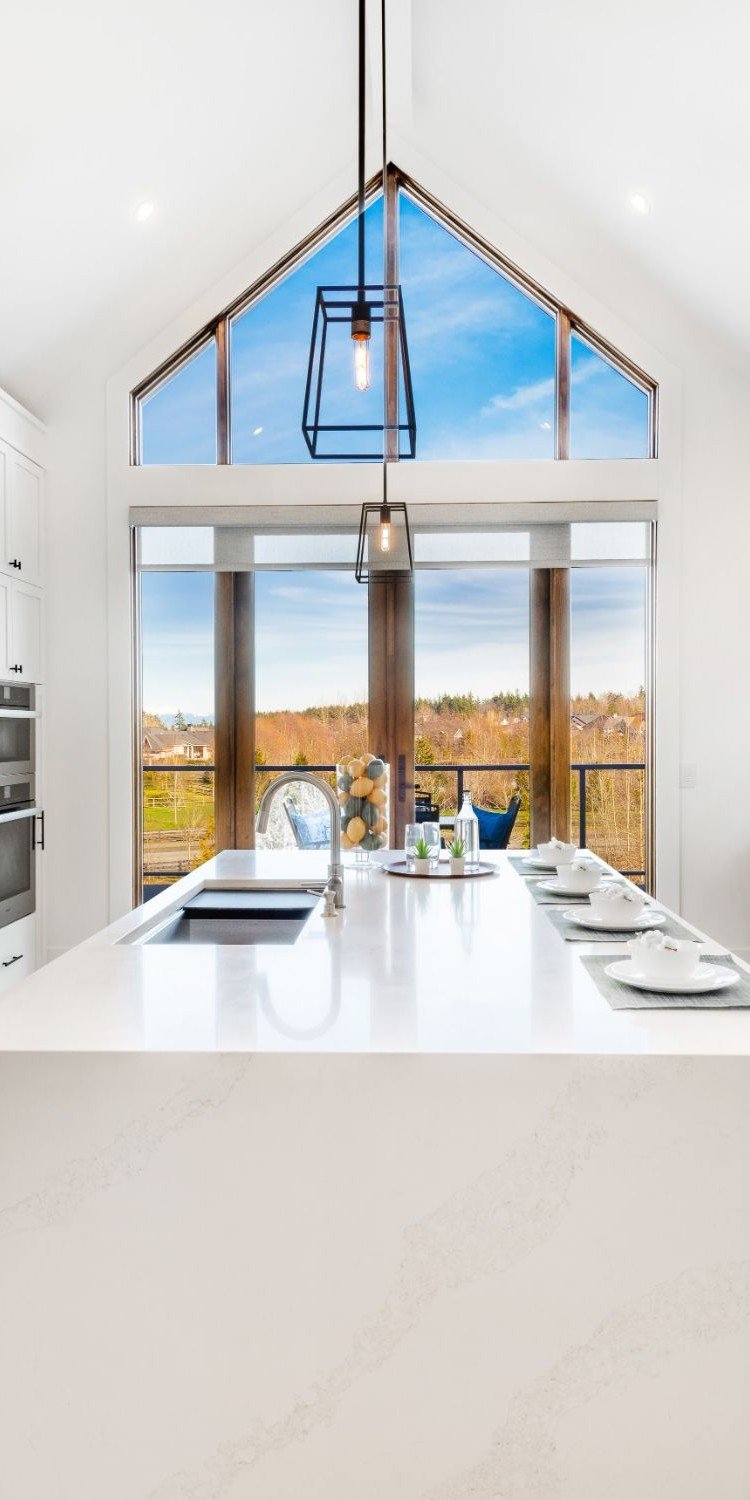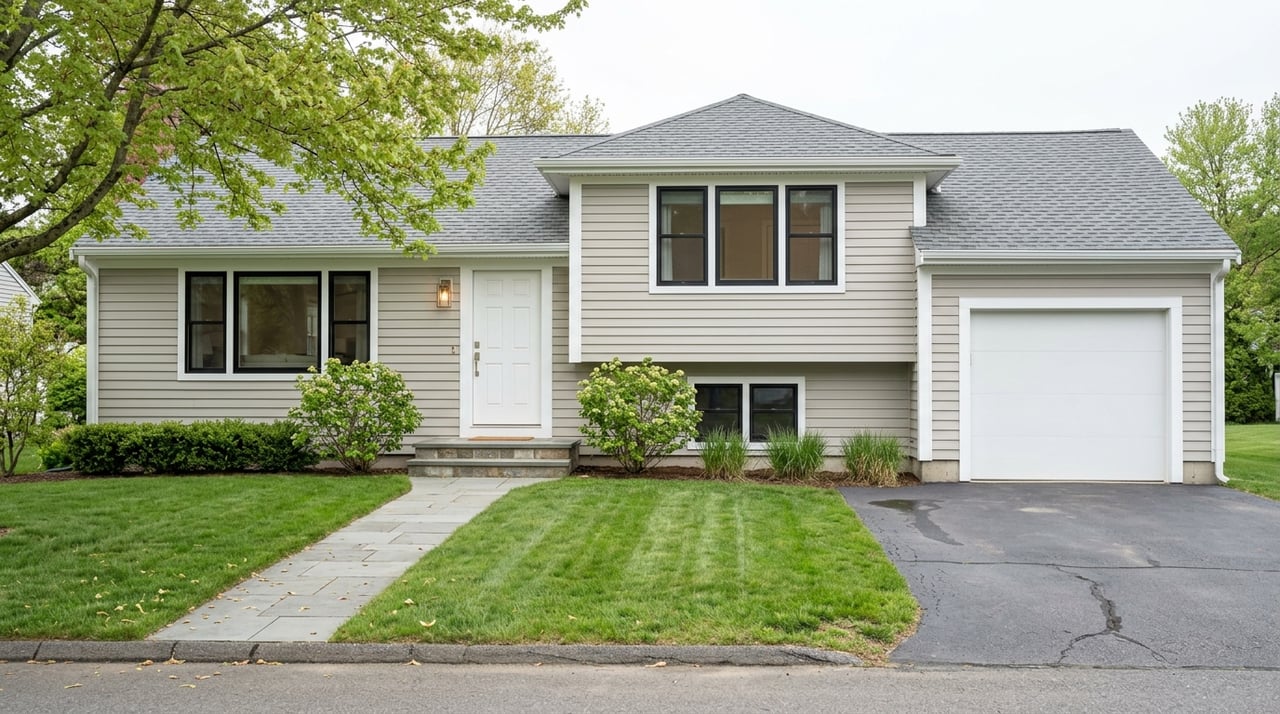
Wondering if the “right time” to sell in Glastonbury really changes your outcome? In a market where inventory has been tight and buyers move quickly, timing can shape how fast your home sells, how much leverage you have, and how carefully you need to price. If you are thinking about listing this year, understanding seasonality can help you plan with less stress and better results. Let’s dive in.
Why seasonality matters in Glastonbury
Glastonbury is not a high-turnover market where homes are constantly hitting the market year-round. The town has about 35,105 residents, 14,161 households, and roughly 85% owner-occupied housing, according to the 2024 town profile. With about 58% of the land area zoned residential, the market tends to reward thoughtful timing and strong preparation.
That matters because seasonality here is less about whether a home will sell and more about how much control you have over price, speed, and negotiations. In a market with limited supply, buyers are active in every season, but the strongest seller advantage often comes when more buyers are looking at the same time.
Glastonbury has had steady supply pressure
Recent town data shows that Glastonbury’s residential market remained strong even as inventory stayed limited. Annual residential sales fell from 452 to 396 in the prior year, while the average sales price rose from $468,208 to $532,357.
That combination tells you something important. Even before seasonal patterns are added, Glastonbury has already been dealing with supply pressure. Fewer sales did not push prices down. Instead, values still moved higher, which suggests buyers continued competing for available homes.
What the current market says about pace
As of March 2026, Glastonbury was described as a seller’s market. Realtor.com reported a median of 26 days on market, a 103% sale-to-list ratio, and 68 homes for sale.
Those numbers point to a market that still favors sellers, but pace is not identical across town. Keeney showed 23 days on market, while West Side and Verplanck were both in the low-to-mid 40s. If you are selling, that means your timing strategy should also account for your specific area, not just the town as a whole.
Hartford County has shown similar conditions at the broader level. In April 2026, Redfin reported 26 days on market, a 104.3% sale-to-list ratio, and 70.3% of homes selling above list price. Taken together, local and county data suggest buyers are still moving quickly when a home is priced and presented well.
Spring usually brings the biggest buyer pool
Statewide data shows a clear ramp from winter into spring. The Connecticut state comptroller reported that March 2026 sales were down 5.9% year over year, inventory was down 11%, and homes were taking about five days longer to sell, with cold temperatures and winter storms listed as possible contributors.
By April 2026, Connecticut REALTORS reported a single-family median sales price of $480,000, inventory of 4,730, and 1,708 closed sales. That shift supports what many sellers already suspect: winter can slow activity, while spring often brings more movement and more attention from buyers.
National data lines up with that pattern. Realtor.com’s 2026 Best Time to Sell report found that the week of April 12 through 18 typically offers one of the best combinations of seller-friendly conditions. Homes listed during that window historically received 16.7% more views, sold about nine days faster, and saw 18.9% fewer price reductions than the average week.
What spring means for Glastonbury sellers
In Glastonbury, spring can be especially favorable because the market is already tight. When more buyers are actively searching, a well-prepared listing can benefit from stronger visibility and better negotiating leverage.
But spring does not guarantee success on its own. More listings also tend to come online during the same period. That means buyers have more options, so a home that is underprepared or priced too aggressively can still sit longer than expected.
This is one of the biggest misconceptions sellers face. A strong market does not erase the need for strategy. It just changes the margin for error.
Why pricing still matters in a seller’s market
A 103% sale-to-list ratio can make it tempting to assume any home will attract multiple offers right away. In reality, seasonality can boost opportunity, but it does not protect a listing from stale-market risk.
If your home launches in peak spring but the condition, photos, or pricing do not line up with current competition, buyers may move on quickly. And once a listing sits, your leverage often shrinks. In a selective market, the homes that perform best are usually the ones that enter the market aligned with what buyers are seeing that week, not what sellers hoped the market looked like a month earlier.
That is where a data-driven pricing approach matters. Looking only at broad town averages can miss the real story if your submarket is moving at a different pace.
A practical timeline for sellers
If you are planning to sell in Glastonbury, a simple way to think about seasonality is to work backward from the spring market. The goal is to be ready before buyer activity peaks, not while it is peaking.
A reasonable planning model looks like this:
Late fall to early winter
Use this period to assess timing, market position, and likely pricing range. If you know a move is coming, this is a good time to identify repairs, maintenance items, and cosmetic updates that could affect buyer perception.
Winter preparation
Focus on decluttering, repairs, touch-ups, and staging preparation. The research suggests many sellers get ready in a month or less, but homes that hit the spring market in polished condition are better positioned to capitalize on that demand.
Early to mid-spring launch
This is often the strongest listing window because buyer traffic tends to be deepest. A home that is photo-ready, well-priced, and market-ready can benefit from stronger attention and potentially better terms.
Late spring through summer
The market can still be active, but you may face more direct competition from other sellers. At that point, pricing discipline becomes even more important because buyers have more choices.
Fall and winter selling
Homes can still sell in Glastonbury outside the spring peak. But if you list later in the year, expect a slower launch and a greater need for precision in condition, presentation, and price.
How neighborhood pace can affect your strategy
One of the most useful takeaways from the current data is that Glastonbury does not move at exactly the same speed everywhere. Some areas are seeing homes move in just over three weeks, while others are closer to six weeks.
That difference can shape how you prepare and price your home. If your area tends to move more quickly, you may have more confidence entering the market at the start of a high-demand window. If your area typically takes longer, the seasonal advantage of spring may still help, but a sharper pricing strategy may be needed from day one.
This is why broad headlines like “seller’s market” only tell part of the story. Your likely outcome depends on the season, your neighborhood pace, and how well your home compares to current alternatives.
Key takeaways for Glastonbury homeowners
If you are trying to decide when to sell, keep these points in mind:
- Spring often offers the strongest buyer demand in Glastonbury and across Connecticut.
- Winter can be slower, with weather playing a role in buyer activity and showing pace.
- Inventory remains tight, which has supported pricing even as sales volume has dipped.
- Local pace varies by area, so neighborhood-level strategy matters.
- Preparation and pricing still matter, even in a seller’s market.
- Listing at the right time helps most when your home is truly market-ready.
The bottom line on timing your sale
In Glastonbury, seasonality can shape the quality of your outcome more than the basic chance of selling. A spring listing may give you access to more buyers and stronger leverage, but only if your home is ready to compete from day one. If you miss that window, you can still sell successfully, though the strategy often needs to be tighter.
The best plan is usually the one that matches your personal timeline with real market conditions. When you understand how seasonality affects pace, competition, and pricing, you can make a smarter move and avoid leaving opportunity on the table.
If you are thinking about selling in Glastonbury and want a data-driven plan built around timing, pricing, and preparation, connect with Schuyler Goines for clear guidance and full-service support.
FAQs
How does seasonality affect home sales in Glastonbury, CT?
- Seasonality mainly affects buyer demand, competition, and seller leverage. In Glastonbury, spring tends to bring a larger buyer pool, while fall and winter often require more careful pricing and presentation.
When is the best time to list a home in Glastonbury, CT?
- Based on the research provided, early to mid-spring is often the strongest window because buyer traffic typically rises from winter into spring, and national 2026 data points to mid-April as a strong seller-friendly period.
Do homes still sell in Glastonbury, CT during fall or winter?
- Yes. Homes can still sell outside the spring peak, but sellers should generally expect a slower launch and place more emphasis on condition, presentation, and precise pricing.
Is Glastonbury, CT currently a seller’s market?
- Yes. As of March 2026, realtor.com described Glastonbury as a seller’s market, with a median of 26 days on market and a 103% sale-to-list ratio.
Why does pricing matter in Glastonbury, CT even in a strong market?
- Pricing matters because buyer demand does not remove competition. If a home is overpriced or underprepared, it can still sit on the market longer, especially when more listings come on in spring.
Should Glastonbury, CT sellers prepare their home before spring?
- Yes. A practical planning model is to complete repairs, decluttering, and staging preparation in late winter so the home is ready to launch when spring buyer activity is strongest.