Thinking about a move to Glastonbury, CT? You want suburban calm without giving up access to jobs, hospitals, and culture in Hartford. This guide walks you through everyday life, commute options, parks, schools, and the housing you’ll find in Glastonbury, Hartford County. By the end, you’ll know what to expect and how to plan your next steps. Let’s dive in.
Quick feel for Glastonbury
Glastonbury sits on the east bank of the Connecticut River, directly across from Hartford. The town has about 35,000 residents and a suburban, village-centered feel. You’ll see historic streets in South Glastonbury and Main Street alongside newer neighborhoods and conservation land. The community is generally regarded as a relatively affluent, low-crime suburb within the Greater Hartford region.
Commute and getting around
Driving
Most people commute by car. Downtown Hartford is typically a 15 to 30 minute drive, depending on where you live in town and rush-hour traffic. Bradley International Airport is usually 25 to 40 minutes. Regional roads connect Glastonbury to Hartford and nearby employment centers.
Transit
Public transit exists but is limited compared with larger cities. Some bus routes serve the area, and you can access broader connections through Hartford’s stations and terminals. There is no rail station in Glastonbury itself, so most daily commuters rely on a car.
Biking and walking
You’ll find sidewalks and trails in parts of town. Walkability is highest in village areas like South Glastonbury and along certain commercial corridors. Riverfront trails and conservation paths are popular for recreation.
Everyday conveniences
Town centers and shopping
Main Street and South Glastonbury offer historic architecture, coffee spots, local shops, and services. Larger shopping areas in town provide grocery stores, pharmacies, and everyday retail. You can reach bigger retail clusters in nearby Hartford suburbs within a short drive.
Healthcare access
Local clinics and physician offices cover routine care. For hospitals and specialty care, residents typically go to Hartford and nearby regional medical centers.
Nightlife and entertainment
Dining and casual evening options cluster near the village centers and commercial corridors. For larger venues, theater, and a fuller nightlife scene, many residents head to downtown Hartford.
Parks and open space
The Connecticut River is a year-round backdrop for outdoor life. Riverfront parks and boat launches offer boating, fishing, and scenic walking. The town maintains neighborhood parks, athletic fields, and playgrounds, and area land trusts steward hiking and nature trails. The parks and recreation department runs youth sports, adult leagues, summer camps, and seasonal programs.
Dining and community events
You’ll find a mix of local restaurants, cafes, bakeries, and family-friendly spots across the village centers and shopping corridors. Seasonal farmers markets and community events add to the small-town feel. The town organizes festivals, parades, and holiday gatherings that bring neighbors together throughout the year.
Schools and learning
Glastonbury Public Schools serve the town with elementary and middle schools that feed into Glastonbury High School. Public schools are a common reason families consider moving to the area. Attendance is based on municipal zoning and school boundary maps, so always verify a specific address during your search. Private and parochial school options are limited in town, with additional choices in nearby suburbs. Colleges and universities in Hartford and the region are within commuting distance.
Housing snapshot
Home types and character
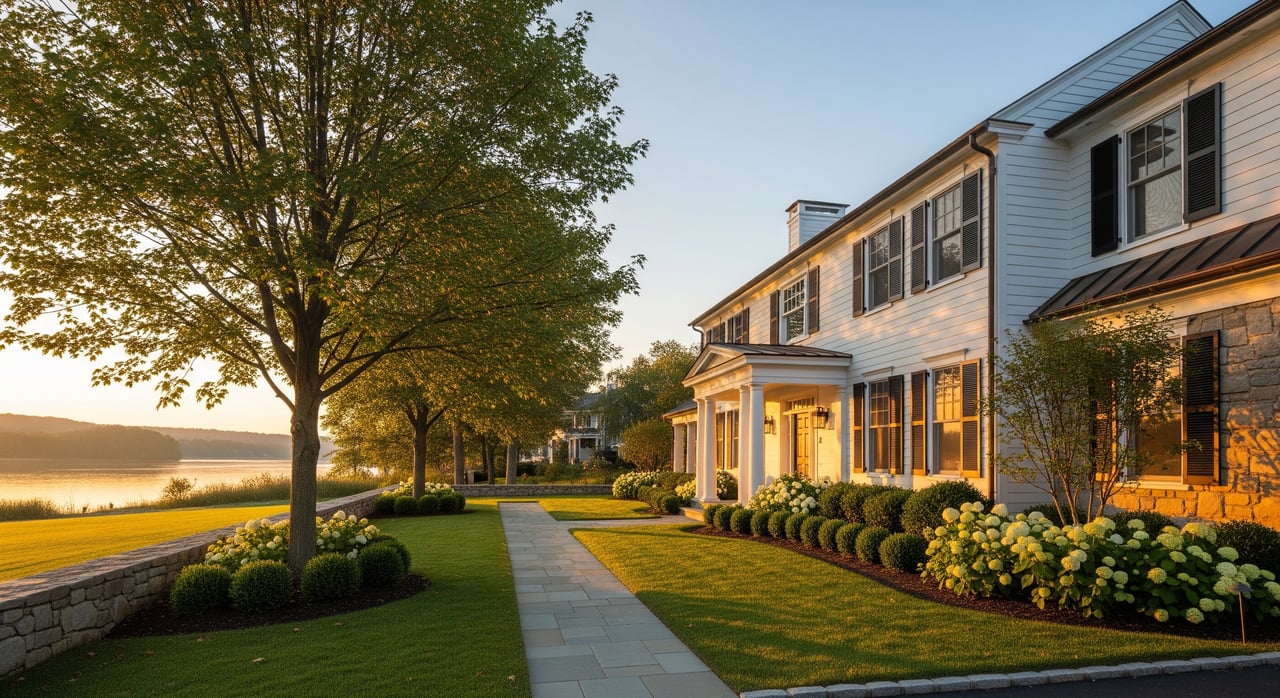
Single-family homes are the most common, including Colonial, Cape Cod, Ranch, and split-level styles. You’ll also see townhomes and condos in select pockets, plus historic homes in South Glastonbury. Riverfront properties exist as a distinct segment.
Lots and ages
Lot sizes vary widely. Many neighborhoods feature roughly half-acre to acre lots, while historic village areas tend to be smaller. Homes range from 18th and 19th century properties to mid-20th century ranches and split-levels, as well as 1990s to present construction and infill.
Neighborhood patterns
- South Glastonbury and Main Street: Historic charm, walkable shops, and river views.
- North and west subdivisions: Newer construction and larger lots in established neighborhoods near parks and schools.
- Mixed-use corridors: More condos, townhomes, and rentals close to shopping and services.
- Waterfront: A niche market with premium pricing and added due diligence for flood zones and insurance.
Prices and market context
Glastonbury is generally priced above Connecticut’s statewide median. Buyers often pay a premium for larger lots, access to riverfront recreation, and the town’s suburban setting near Hartford. Entry-level condos and townhomes are typically more affordable than single-family homes. Higher-priced homes tend to be newer builds, larger properties, estate lots, or waterfront locations.
Market dynamics have followed broader national trends. Demand rose during the pandemic years, inventory tightened, and prices increased. As mortgage rates rose, the market stabilized, and inventory and interest-rate sensitivity now influence negotiability and days on market. Your experience will vary by neighborhood, property type, and season.
Practical costs and ownership
Taxes and insurance
Property taxes in Connecticut can be relatively high compared with many states, so include them in your full monthly budget. For low-lying or riverfront properties, flood insurance may be required. Review FEMA flood maps and local floodplain designations during due diligence.
Utilities and systems
Some parts of town have public water and sewer. Others use private wells and septic systems. Confirm utilities for each property and plan for inspections of wells and septic when applicable.
Zoning and projects
Zoning rules affect lot size, accessory dwellings, and renovations. If you’re planning additions or new construction, check with the town’s planning and zoning department for requirements and permits.
Buyer tips that pay off
- Monitor listings closely. In low-inventory periods, you may need to move quickly and present competitive terms.
- Use inspections wisely. Standard home, well, septic, and survey reviews are important, especially for older homes or larger lots.
- Do riverfront due diligence. Inspect for prior flood damage and any mitigation measures, and factor flood insurance into total costs.
- Work with local expertise. A Realtor who knows Glastonbury’s neighborhoods, floodplain considerations, and school-boundary details can help you price, negotiate, and sequence your move with confidence.
Is Glastonbury right for you?
If you want a classic Hartford-area suburb with river access, open space, and village charm, Glastonbury checks many boxes. You’ll trade a car-first lifestyle and higher ownership costs for short drives to Hartford jobs and amenities. The housing stock runs from historic to modern, so there is a fit for many life stages and budgets. With clear goals and the right guidance, you can find a home that aligns with your commute, space needs, and financial plan.
Ready to explore homes and neighborhoods in Glastonbury? Reach out to schedule a conversation with Schuyler Goines for local, data-informed guidance and a clear plan from search to closing.
FAQs
How long is the commute from Glastonbury to Hartford?
- Most residents report a 15 to 30 minute drive to downtown Hartford, depending on origin in town and rush-hour traffic.
Do you need a car to live in Glastonbury?
- Yes for most daily needs, since transit is limited and there is no local rail station, though village areas and trails support some walking and biking.
What types of homes are common in Glastonbury?
- Single-family homes dominate, especially Colonial, Cape, Ranch, and split-level styles, with condos and townhomes in select areas and some historic and riverfront properties.
Are there flood risks near the Connecticut River?
- Riverfront and low-lying properties may be in flood zones, so review FEMA maps, inspect for prior damage, and factor possible flood insurance into costs.
How are public schools assigned in Glastonbury?
- School assignments are based on municipal attendance boundaries, so confirm the exact school for any property with the district before you buy.