Thinking about waking up near the water in Milford? It is easy to picture beach walks, harbor views, and summer days on Long Island Sound, but waterfront living here comes with real tradeoffs that can affect your budget, maintenance, and long-term plans. If you are considering a waterfront, beach-area, or near-water home in Milford, this guide will help you understand what to look for, what to ask, and how to make a smarter decision. Let’s dive in.
Milford waterfront means more than one thing
One of the biggest mistakes buyers make is treating all waterfront property as if it offers the same experience. In Milford, that is rarely the case.
The city has about 17 miles of Long Island Sound coastline, plus a harbor connected to the Wepawaug River. City and state materials identify many shoreline segments, including Milford Point, Cedar, Walnut, Silver, Gulf, Bayview, Pond Point, Point, Morningside, Fairview, and Burwells, among others. That means your lifestyle, privacy, and upkeep can change a lot from one block to the next.
Some areas feel more natural and open, while others are more built out with homes close to the shoreline. Milford’s natural resource inventory describes Milford Point as relatively undeveloped, while Cedar Beach includes developed residential areas behind a narrow beach. It also notes that parts of Morningside, Farview, and Burwell rely on riprap or seawalls.
For you as a buyer, that means “waterfront” may include:
- Direct oceanfront homes
- Beach-block homes
- Harbor-adjacent properties
- Marsh-edge locations
- Near-water homes with walkable access
Each type can come with different views, different privacy levels, and very different maintenance needs.
Milford offers several housing types
If you are searching in Milford, you are not limited to one style of property. The city’s Economic & Community Development office says Milford has a broad range of housing, including single-family homes, condominiums, and apartments.
That variety matters because your ideal waterfront lifestyle may not require direct shoreline ownership. In the Devon and Walnut Beach area, for example, the city describes a waterfront community with fishing, sandy shoreline access, and housing options that include apartments, houses, condos, and townhomes. For some buyers, that can be a more practical way to enjoy the coast without taking on the full responsibilities of a direct waterfront property.
Waterfront location can affect price
Milford’s market data shows why location matters so much. In March 2026, Milford’s median sale price was $424,000, while Devon-Walnut Beach had a median sale price of $455,000. Devon-Walnut Beach waterfront homes had a median listing price of $562,000, while Woodmont’s median sale price was $422,000.
These numbers are not a perfect apples-to-apples comparison, but they do show an important pattern. Direct water access, immediate beach proximity, and specific neighborhood demand can all move pricing.
That is why you should compare homes by exact location and water relationship, not just by square footage or bedroom count. A home that is one or two streets off the water may offer a very different ownership experience from a home directly on the shoreline, even if the asking prices look close.
Seasonality shapes daily life in Milford
A waterfront home is not just a summer purchase. You need to think about how the property works throughout the year.
Connecticut’s hurricane season runs from June 1 through November 30. Milford’s flood information says hurricanes and coastal storms have caused severe coastal flooding, along with flooding along the Wepawaug River. If you are buying near the water, seasonality is part of the ownership picture from day one.
There are also practical seasonal details that can affect how you use the area. Milford’s beach monitoring is seasonal. At Silver Sands State Park, lifeguards and portable toilets are seasonal, and Charles Island is closed from May through September. The park also includes a boardwalk of about three-quarters of a mile and roughly 2 miles of trails, which can be a major lifestyle benefit if that kind of access matters to you.
Beach access is not always as simple as it looks
Many buyers assume a home near the shoreline comes with private use of the beach in front of it. In Connecticut, that assumption can lead to confusion.
According to the Connecticut Department of Energy and Environmental Protection, coastal property owners have the right to access navigable waters from their property, but submerged lands and waters waterward of mean high water are held in trust by the state for the public. The public may use those lands and waters for activities such as fishing, shellfishing, boating, sunbathing, and walking along the beach.
In simple terms, you should not assume every stretch of shoreline in front of a home is fully private. If beach use and access are major priorities for you, it is worth clarifying exactly what is private, what is public trust area, and what rules apply to the property you are considering.
Second-home buyers should budget for seasonal costs
If you are shopping for a second home or planning to host summer guests, beach-related costs can add up. Milford says that from May 1 through September 30, nonresident parking at Gulf Beach or Walnut Beach costs $40 per day, and a nonresident seasonal permit costs $250.
These are not property ownership costs, but they can affect how convenient and affordable beach use feels over time. For some buyers, nearby public access is a major benefit. For others, recurring seasonal fees may push them toward a home with a different location or access pattern.
Boating access may involve waiting and planning
If boating is part of your waterfront vision, Milford offers several options, but availability is not unlimited. The city has a public boat launch behind the public library, a transient marina with 35 slips, and limited mooring availability.
Milford also says there are 130 floating-dock mooring permits in Milford Harbor and about 70 mushroom mooring permits in the Housatonic River. These can involve waitlists or renewal processes. So if a home search includes boating goals, it is smart to treat dockage and mooring as items to verify early, not as assumptions.
Flood risk should be part of your first review
In Milford, flood risk is not a side issue. The city says flood zones cover about one-third of the city and identifies flooding as its primary natural hazard.
That makes flood review an essential step in any waterfront or near-water search. Milford’s Planning & Zoning office maintains flood maps for city properties, and FEMA flood maps are the official source for flood-hazard information. FEMA also notes that areas with a 1% annual chance flood have at least a 26% chance of flooding over a 30-year mortgage.
For you, the takeaway is clear. Before you fall in love with a view, confirm the property’s flood-zone status, elevation profile, and any known flood history that may affect insurance, financing, or future resale.
Flood insurance needs early attention
Flood insurance is another area where buyers can get caught off guard. The Connecticut Insurance Department says homeowners and renters insurance do not cover flood damage.
It also says flood insurance may be purchased through the National Flood Insurance Program or the private market, and that policies usually have a 30-day waiting period before coverage begins. That timing matters.
If you are buying near the coast, flood insurance should be part of your planning early in the contract process. Waiting until the last minute can create stress, extra cost, or financing issues when you are already close to closing.
Shoreline maintenance can be ongoing
The appeal of waterfront living is easy to see. The maintenance side is just as real.
Milford planning materials say annual beach erosion occurs in several places, and restoration or remediation is most frequent in areas such as Bayview, Laurel, Gulf, and Woodmont. The state also notes that shoreline erosion and flooding are part of living on Connecticut’s shore and that coastal conditions change with weather and seasonal factors.
That means you should look closely at features like:
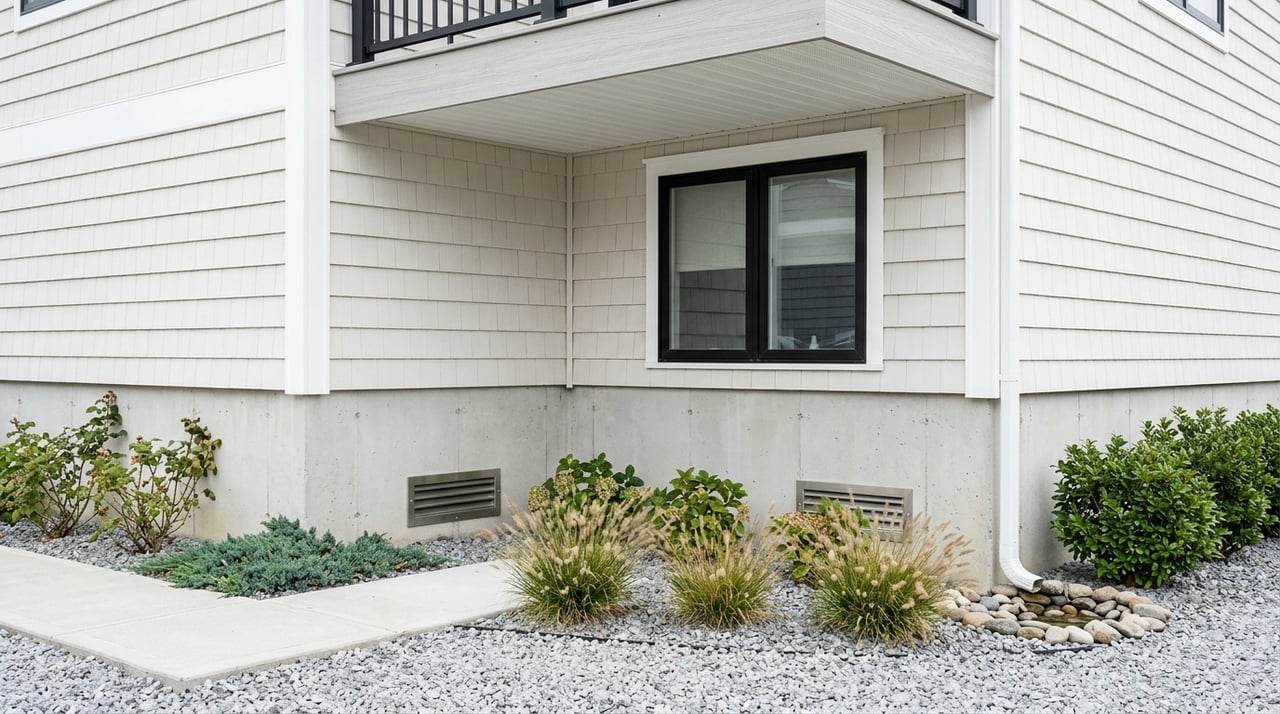
- Drainage around the home
- Elevation and grading
- Seawalls or riprap
- Bulkheads
- Signs of past erosion
- Exterior wear from coastal exposure
These details can affect both current ownership costs and future project planning.
Future improvements may require approval
Some buyers see a waterfront property and immediately start thinking about adding a dock, rebuilding a seawall, or making major exterior changes. In Milford, future shoreline work should never be assumed.
Milford Planning & Zoning says approval is required before construction, reconstruction, extension, enlargement, moving, or altering a structure. The state also regulates shoreline improvements such as docks, seawalls, and bulkheads through the coastal permit process. Milford’s Harbor Management and Planning & Zoning framework also reviews waterfront development within the city’s coastal boundary.
In practical terms, future improvements may be possible, but they are not automatic. If a property only works for you with major shoreline changes, that is something to investigate carefully before moving forward.
How to evaluate a Milford waterfront home
A strong waterfront search starts by separating lifestyle goals from property risk. The more specific you are, the easier it becomes to narrow the right fit.
Ask questions like these:
- Is the home direct waterfront, beach-block, harbor-adjacent, marsh-edge, or simply near the water?
- What does the flood-zone status look like?
- Is flood insurance likely to be required or strongly recommended?
- What shoreline protections are already in place?
- Are there signs of erosion or recurring drainage issues?
- What beach or boating access is actually available?
- If you want future improvements, what approvals might be needed?
This kind of review helps you compare not just beauty, but practicality. That is especially important in a market where exact block, access, and shoreline conditions can make a meaningful difference in value.
Why a data-driven local search matters
Waterfront buying in Milford is highly local. Two homes that seem similar online can carry very different insurance costs, access rights, maintenance demands, and long-term flexibility.
That is why a data-driven approach matters. When you look beyond listing photos and focus on location specifics, flood exposure, and real ownership costs, you are in a better position to buy with confidence.
If you are considering Milford waterfront living, working with an agent who understands both the lifestyle upside and the practical side can help you avoid surprises. When you are ready to talk through neighborhoods, pricing, or how to compare shoreline properties, connect with Schuyler Goines for clear, local guidance.
FAQs
What counts as waterfront living in Milford, CT?
- In Milford, waterfront living can include direct oceanfront homes, beach-block properties, harbor-adjacent homes, marsh-edge locations, and near-water homes with shoreline access nearby.
Do Milford waterfront homes always have private beach access?
- No. Connecticut treats land and waters waterward of mean high water as public trust area, so buyers should verify what access rights are private and what shoreline areas are open to public use.
Is flood insurance required for waterfront homes in Milford, CT?
- It depends on the property and loan details, but flood insurance is a major consideration because Milford says flood zones cover about one-third of the city and standard homeowners insurance does not cover flood damage.
What seasonal costs should buyers expect near Milford beaches?
- Buyers, especially second-home owners, should factor in potential costs such as flood insurance, exterior maintenance, and, if relevant, nonresident seasonal beach parking fees and boating-related expenses.
Can you add a dock or seawall to a Milford waterfront property later?
- Possibly, but it is not automatic. Milford and the State of Connecticut regulate many shoreline improvements, so future work may require local and state review and approval.
What should buyers compare when looking at Milford waterfront homes?
- Buyers should compare exact location, water access type, flood-zone status, insurance implications, erosion exposure, shoreline protections, and how the property fits their year-round lifestyle.