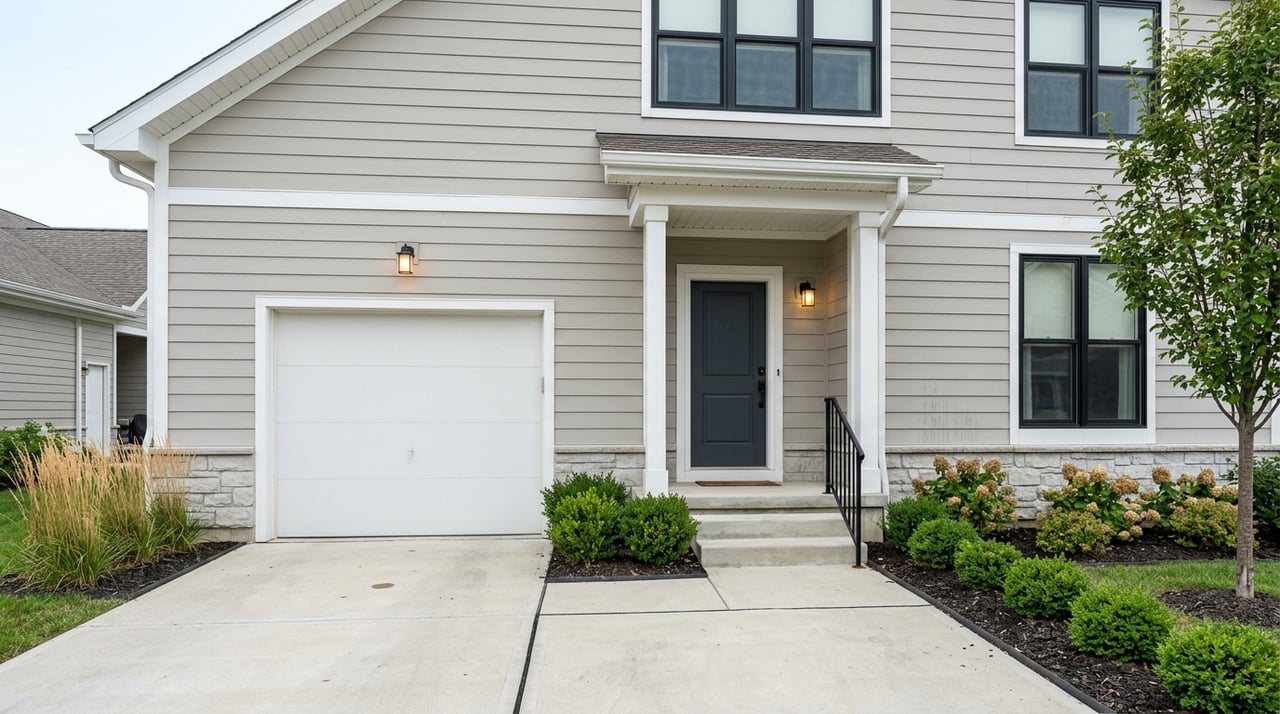
Thinking about buying a condo or townhome in New Haven? You are not alone. For many buyers, attached living can be the sweet spot between affordability, convenience, and access to the parts of the city they actually want to use every day. This guide will help you understand what is on the market, how to compare costs, and what details matter most before you make an offer. Let’s dive in.
Why buyers choose New Haven condos
New Haven’s condo market gives you more range than many buyers expect. Redfin currently shows 49 condos for sale with a median listing price of about $285,000, and current listings stretch from roughly $95,000 entry-level units to luxury townhouse-style condos above $1 million.
That range matters because it means you are not shopping in just one narrow price band. You may find a compact starter unit, a multi-level townhome-style property, or a higher-end residence closer to downtown or the waterfront, depending on your budget and lifestyle goals.
New Haven also offers a more city-centered lifestyle than many nearby suburbs. Redfin notes a Walk Score of 68, which makes walkability a real part of the value for many buyers, especially if you want easier access to restaurants, shopping, entertainment, or work.
Condo vs townhome in New Haven
In New Haven, the line between a condo and a townhome is not always clean. Some search sites show townhouse-style homes inside condo results, while others list them separately. Redfin even showed 0 townhouses for sale last month on one city page, while Realtor.com showed 32 townhomes.
The practical takeaway is simple: if you are searching for attached housing in New Haven, use both condo and townhouse filters. Otherwise, you could miss listings that fit your needs just because they were categorized differently.
You will also see a wide range of layouts. Some attached homes are single-level flats, while others feel much more like a house, with multiple stories, finished basements, private decks, or attached garages. Current examples include townhouse-style homes in Fair Haven Heights and waterfront units on Quinnipiac Avenue.
Where condos and townhomes cluster
A lot of New Haven’s attached housing is concentrated in the urban core and nearby waterfront-adjacent areas. Current listings often appear in ZIP codes 06511, 06513, 06515, and 06519, so your search may naturally focus on central neighborhoods rather than outer, subdivision-style areas.
Several New Haven neighborhoods stand out for condo buyers. Yale’s neighborhood guide identifies Downtown, East Rock, Wooster Square, Westville, Long Wharf, Fair Haven, and City Point as distinct parts of the city, each with its own setting and feel.
Downtown and East Rock
Downtown is centered around the Yale campus area and is known for restaurants, nightlife, galleries, shopping, and theaters. If you want a more urban daily routine, this is one of the first places many buyers look.
East Rock sits just east of Yale near East Rock Park. It is also one of the popular condo areas flagged by Redfin, and buyers often look here when they want city access with a different neighborhood setting than the downtown core.
Wooster Square and Westville
Wooster Square is well known for its eateries and is another popular condo area. If your ideal weekend includes walking out for coffee or dinner, this area often stays on buyers’ radar.
Westville is about two miles west of downtown near parks and Yale Bowl. It offers another attached-home option for buyers who want access to the city but may prefer a slightly different day-to-day rhythm.
Long Wharf, Fair Haven, and City Point
Long Wharf is a mixed-use waterfront neighborhood, but it deserves extra attention because the city is actively pursuing coastal resiliency and mixed-use redevelopment there. That includes zoning updates, shoreline improvements, and flood-protection work, which can affect both long-term planning and how you evaluate a waterfront purchase.
Fair Haven sits along the Quinnipiac River, and City Point includes marina access and water-view dining. These areas can appeal to buyers who want attached living with a more water-oriented setting, but they also make it even more important to review insurance and building details carefully.
What the market looks like now
New Haven’s condo market is active, but it is not moving at exactly the same pace as the broader city market. Redfin reports that condos tend to stay on the market about 41 days and receive around 4 offers, while the broader city market has a median sale price of $365,000 and about 65 days on market.
That tells you two things. First, well-positioned condos can still attract competition. Second, attached homes may offer a different entry point into New Haven than detached homes do.
If you are deciding between a condo in New Haven and a single-family home nearby, price may not be the automatic tie-breaker you expect. Redfin shows median sale prices of about $357,500 in East Haven, $388,000 in West Haven, and $423,500 in Milford, which puts many suburban single-family homes in the same range or above many New Haven condo listings.
The real monthly cost
The purchase price is only part of the budget story. In New Haven, common charges can vary a lot, and that can change what feels affordable on paper.
Current listing snippets show HOA fees in the mid-$300s, along with examples at $471, $503, $672, and even $2,182 per month. Some fees may cover items like pool access, garage parking, heat, water, or other shared costs, while others may offer fewer included benefits.
That is why smart buyers compare the full monthly carrying cost, not just the list price. A lower-priced condo with a high common charge may cost more each month than a higher-priced unit with a lower fee.
A quick New Haven tax example
New Haven’s tax collector lists a 39.4 mill real estate tax rate for the 2024 Grand List, and Connecticut assesses real estate at 70% of fair market value. Using the current median condo listing price of $285,000, property taxes come out to about $655 per month.
If you add a $471 HOA fee, your non-mortgage monthly cost is roughly $1,126. With a $672 HOA fee, that number rises to about $1,327. That is before principal, interest, insurance for your unit, utilities not covered by the association, and any parking costs.
Parking can change everything
Parking is one of the biggest lifestyle differences between a New Haven condo or townhome and a suburban house. A listing may say parking is available, but that does not always mean it is deeded or as simple as pulling into your own driveway.
The city uses residential parking districts on certain streets, and permits are required in those areas. The permit year runs from October 1 through September 30, and the city lists a $35 fine for parking without a permit.
Buyers should also know that permit parking does not override street-sweeping or snow-plowing rules. Downtown meter enforcement also runs from 7:00 a.m. to 9:00 p.m., Monday through Saturday, excluding holidays.
New Haven also lists monthly parking options at Union Station Garage, Air Rights Garage, Temple Street Garage, and Crown Street Garage. Before you rely on a listing, confirm whether parking is deeded, assigned, leased through the association, or dependent on street or garage arrangements.
Street sweeping matters more than you think
Street sweeping can affect your day-to-day routine, especially if your household has more than one car. The city includes East Rock, Wooster Square, Downtown, Westville, Fair Haven, City Point, and East Shore on sweeping routes.
That does not make those neighborhoods less appealing. It simply means parking logistics should be part of your decision, not an afterthought.
What to review before you buy
In Connecticut, condo due diligence goes well beyond the floor plan and finishes. The Department of Consumer Protection advises buyers to obtain and review the association declaration, bylaws, rules and regulations, recent budget, and the last 12 months of meeting minutes with an attorney.
The seller must provide resale documents that disclose key details, including monthly common charges, unpaid charges, rental restrictions, reserves for capital expenditures, approved capital spending over $1,000, delinquent owners, foreclosure actions, and insurance information. Those details can tell you a lot about the health and management of the association.
Town clerk records may help you locate recorded documents, but they will not show the current financial condition of the association. That is why recent budgets, minutes, and resale materials matter so much.
Small associations need extra care
Connecticut’s DCP says buyers generally have a 15-day cancellation right after signing a condo contract. However, fully built common-interest communities with 12 or fewer units do not have to provide resale documents, and buyers in those cases do not have that same cancellation right after signing.
If you are looking at a smaller building, attorney review becomes even more important. Small associations can work well, but they often require more careful review because there may be less formal financial reporting and fewer protections built into the process.
Waterfront insurance questions
If you are considering a condo in Long Wharf or another flood-sensitive area, insurance is a major item to review. Connecticut law requires the association to maintain flood insurance when the condominium is located in a flood hazard area, along with common-element property, liability, and fidelity coverage.
For buyers, that means the water view is only part of the picture. You also want to understand how the building handles risk, what coverage is in place, and whether future costs could affect your monthly budget.
Condo or suburban house?
For many buyers, this is the real decision. Do you want attached living in New Haven, or would you rather buy a single-family home in a nearby town?
The answer usually comes down to lifestyle more than list price. A New Haven condo or townhome may give you city access, walkability, and lower exterior maintenance. A suburban house may offer more private outdoor space or easier parking, but it may also come with a higher purchase price, more upkeep, or a longer commute.
Here is the simplest way to think about it:
- Choose a New Haven condo or townhome if you value location, lower-maintenance living, and access to the city.
- Choose a suburban single-family home if you prioritize more space, a yard, and simpler parking arrangements.
- In either case, compare the full monthly cost, not just the listing price.
A smart buying strategy for New Haven
If you want to buy an attached home in New Haven, start with a practical checklist. That will help you move faster when the right property appears.
- Search both condo and townhouse or townhome categories
- Compare list price and monthly HOA together
- Estimate property taxes using New Haven’s current tax structure
- Verify whether parking is deeded, assigned, leased, or permit-based
- Review association documents, finances, and meeting minutes with an attorney
- Pay close attention to insurance and flood-related details for waterfront locations
- Think about your daily routine, not just the unit itself
New Haven has real variety in its condo and townhome market. If you approach the search with a clear budget, a realistic parking plan, and strong document review, you can find an attached home that fits both your finances and your lifestyle.
If you want help comparing New Haven condos, townhouse-style homes, or nearby alternatives, Schuyler Goines can help you evaluate the numbers, the tradeoffs, and the fine print with a clear local strategy.
FAQs
What is the median condo listing price in New Haven, CT?
- Redfin currently shows a median condo listing price of about $285,000 in New Haven.
Are townhomes and condos listed separately in New Haven, CT?
- Not always. Some search platforms separate them, while others place townhouse-style homes inside condo results, so buyers should search both categories.
Which New Haven neighborhoods are popular for condo buyers?
- Downtown, East Rock, Wooster Square, and Westville are commonly noted condo areas, while Long Wharf, Fair Haven, and City Point also offer attached-home options.
How much do HOA fees cost for New Haven condos?
- Current listing examples range widely, from the mid-$300s to several hundred dollars per month, with some listings much higher depending on the building and included amenities.
How are property taxes calculated for a New Haven condo?
- New Haven lists a 39.4 mill tax rate for the 2024 Grand List, and Connecticut assesses real estate at 70% of fair market value.
What parking questions should buyers ask about New Haven condos?
- You should ask whether parking is deeded, assigned, leased, garage-based, or dependent on city street permits, and whether street sweeping or snow rules affect daily use.
What documents should buyers review before buying a Connecticut condo?
- Buyers should review the declaration, bylaws, rules and regulations, recent budget, resale documents, and the last 12 months of meeting minutes with an attorney.
Are waterfront condos in New Haven different to evaluate?
- Yes. In flood hazard areas, Connecticut law requires condo associations to maintain flood insurance, so buyers should review coverage and budget implications carefully.